ABOUT THE MUSEUM
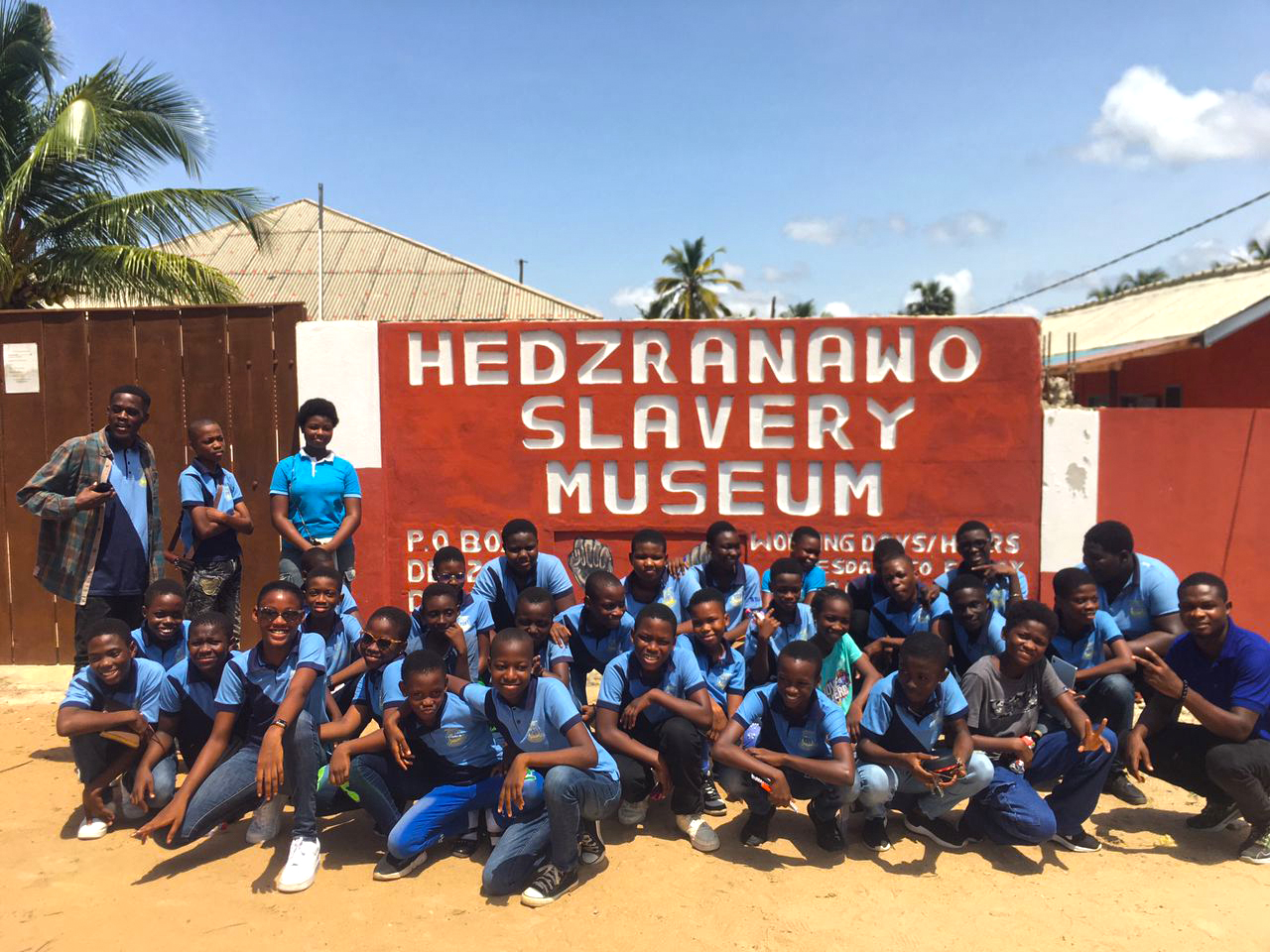
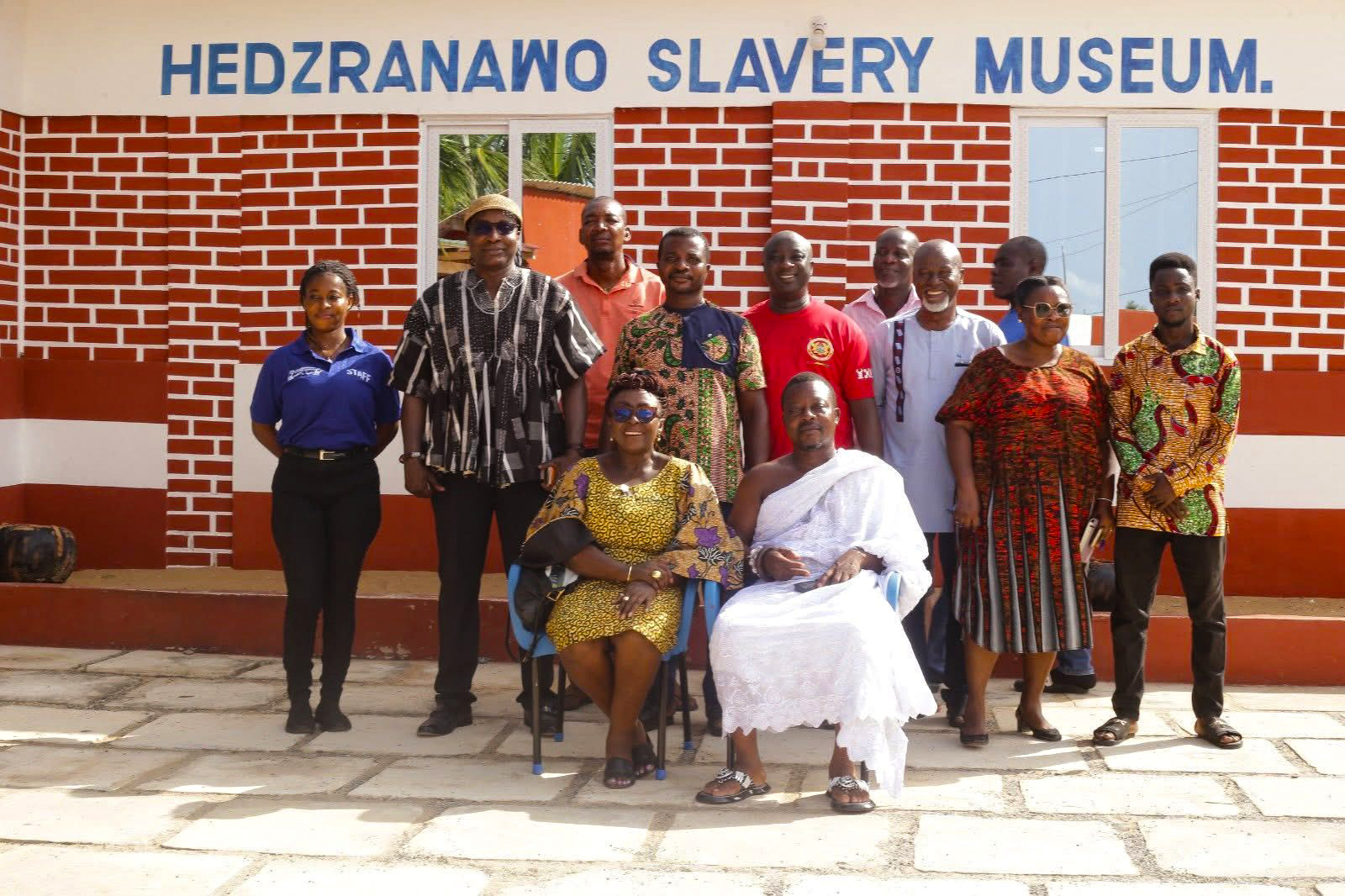
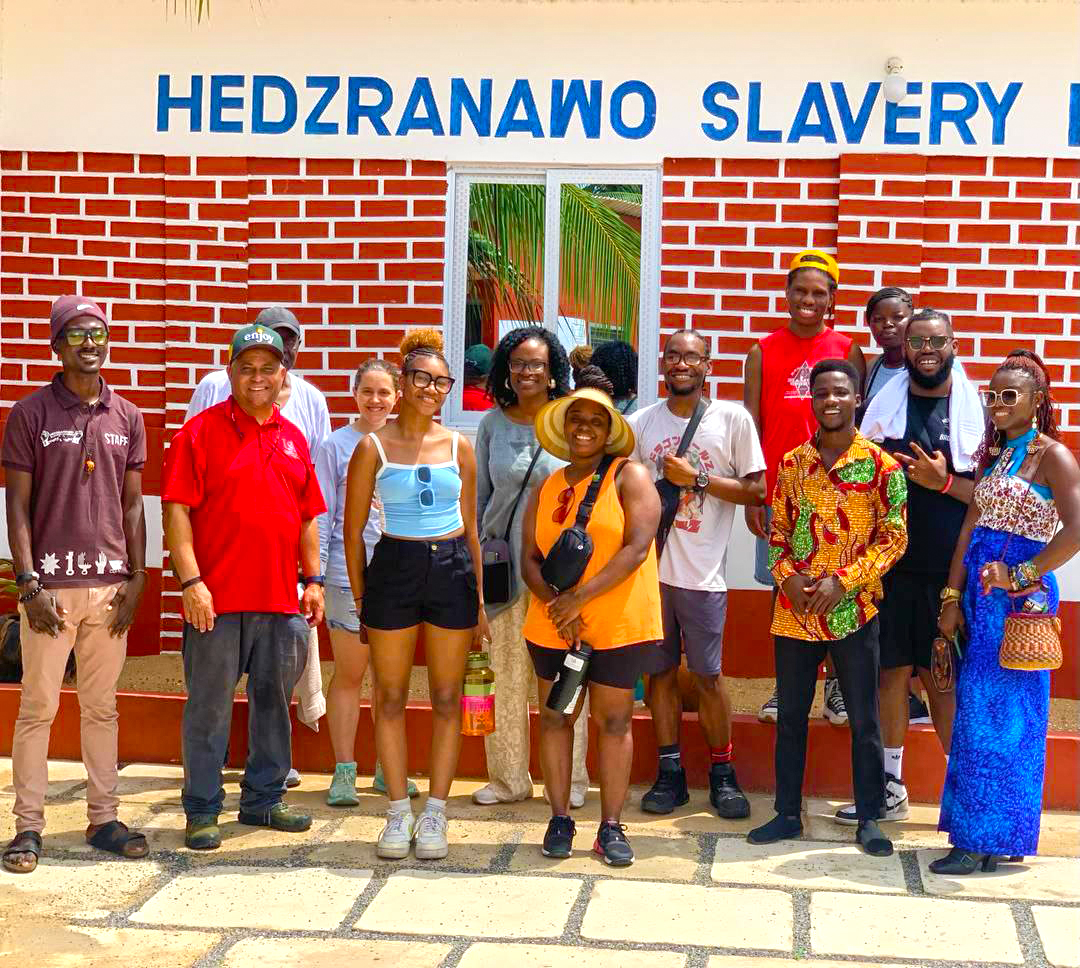
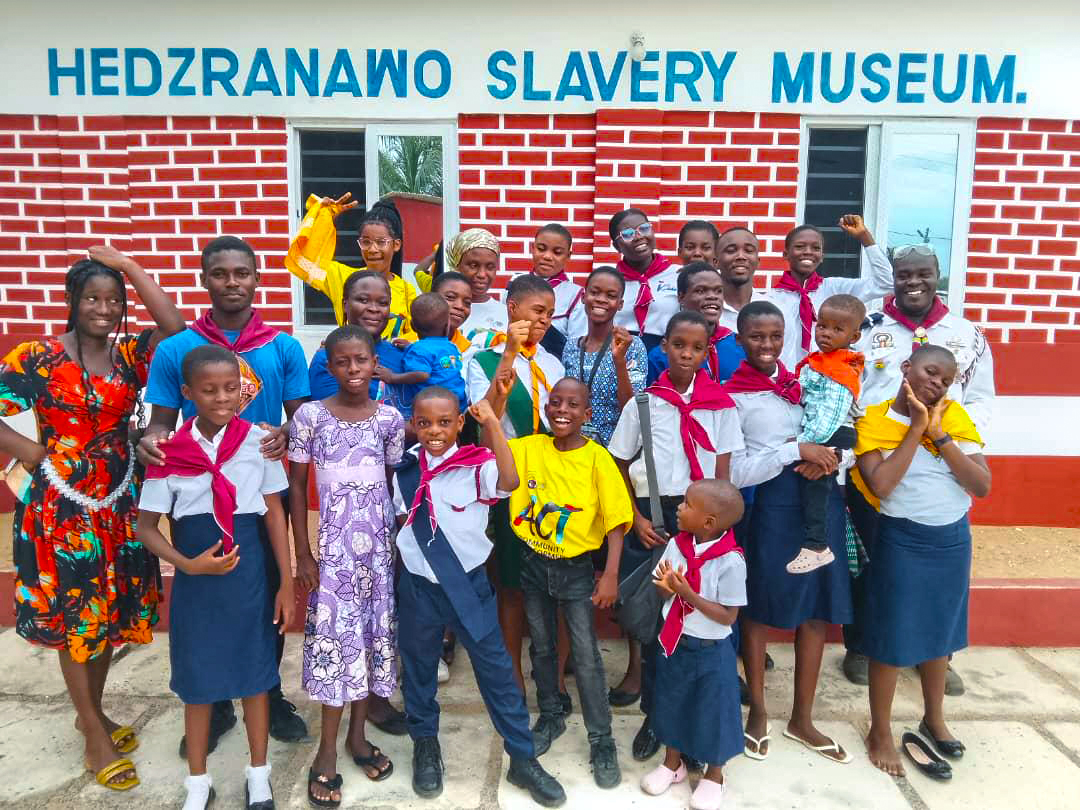
The Hedzranawo Slavery Museum stands at the heart of Hedzranawo, a historic town located between Denu and Adafienu in the Ketu South Municipality of Ghana’s Volta Region. The museum is dedicated to preserving, interpreting, and sharing the history of the transatlantic slave trade and its impact on coastal Volta communities.
Housed within a rehabilitated brick structure that once served as an ancient European trade post, the museum offers visitors an intimate encounter with the past. Curated exhibits—including ancient bottles, ceramic plates, glass fragments, beads, and other archaeological finds—provide insight into the everyday realities of this era.
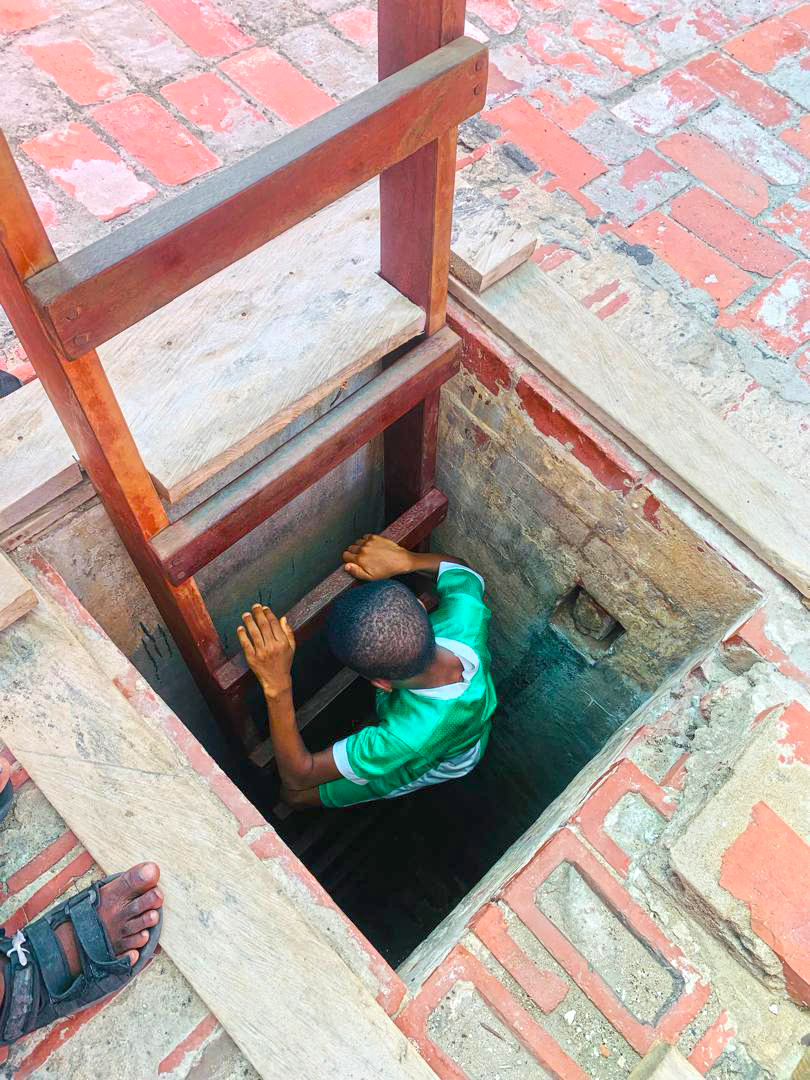
One of the most striking features of the museum is the underground vault, a centuries-old dungeon where enslaved Africans were once confined. This preserved space stands as a solemn reminder of resilience, suffering, and the enduring spirit of those who passed through Hedzranawo.
Adzido Slave Memorial Centre
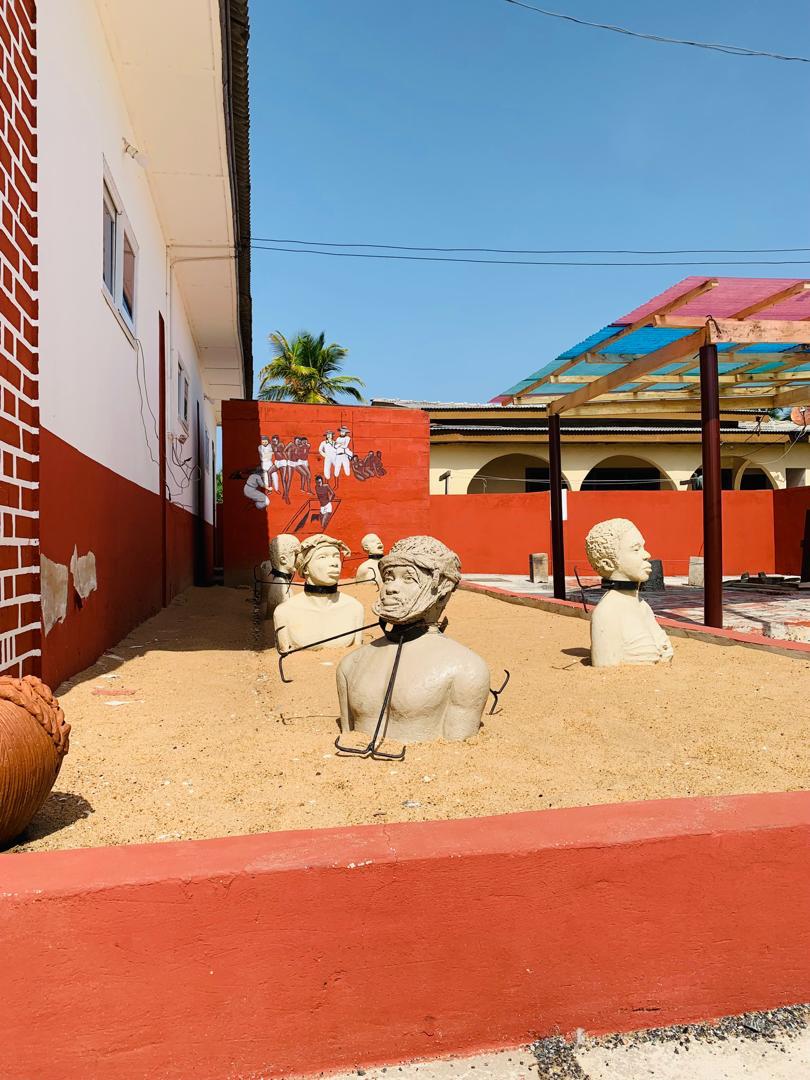
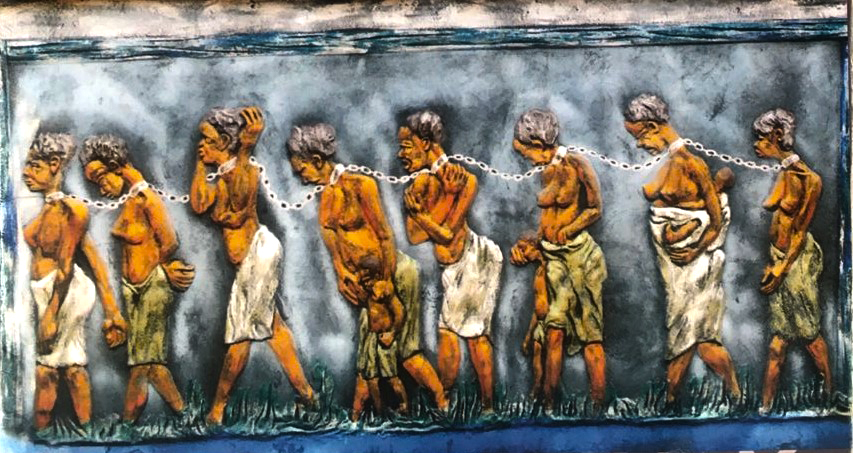
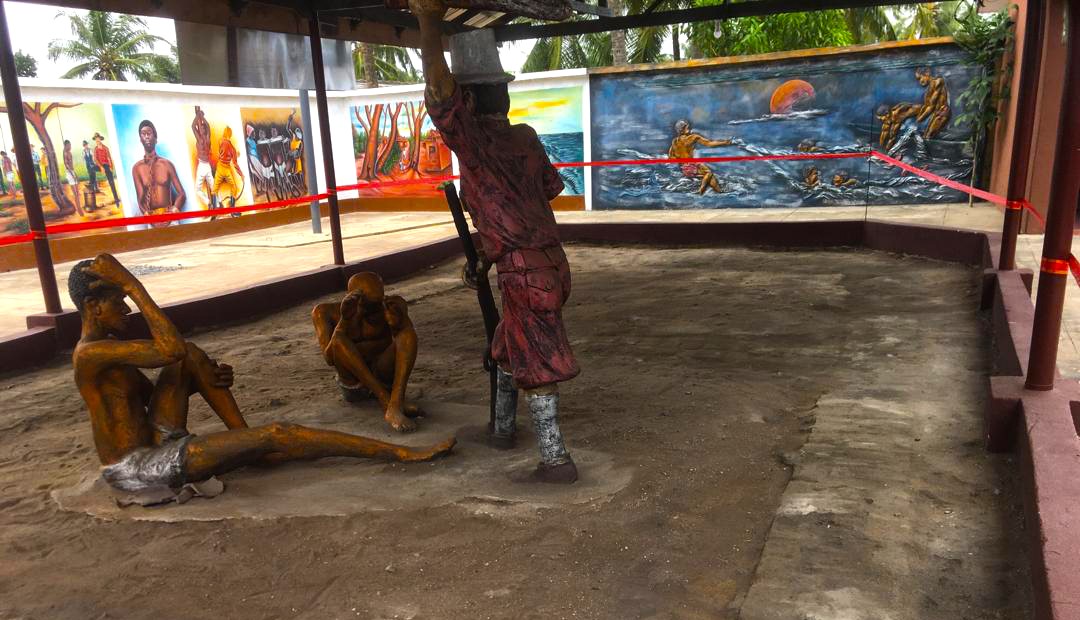
The Adzido Slave Memorial Centre is an extension of the Hedzranawo Slavery museum. Situated at a site believed to be a slave market, the museum features sculptures and painted scenes that memorialize the enslavement processes encountered at this historical slave market site. It also features exposed foundation walls of a two-room house or barracoon once used in the trade. The museum also hosts various cultural materials (mostly trans-Atlantic and local trade goods) excavated from around the foundation walls in the slave market, which are on display for visitors.
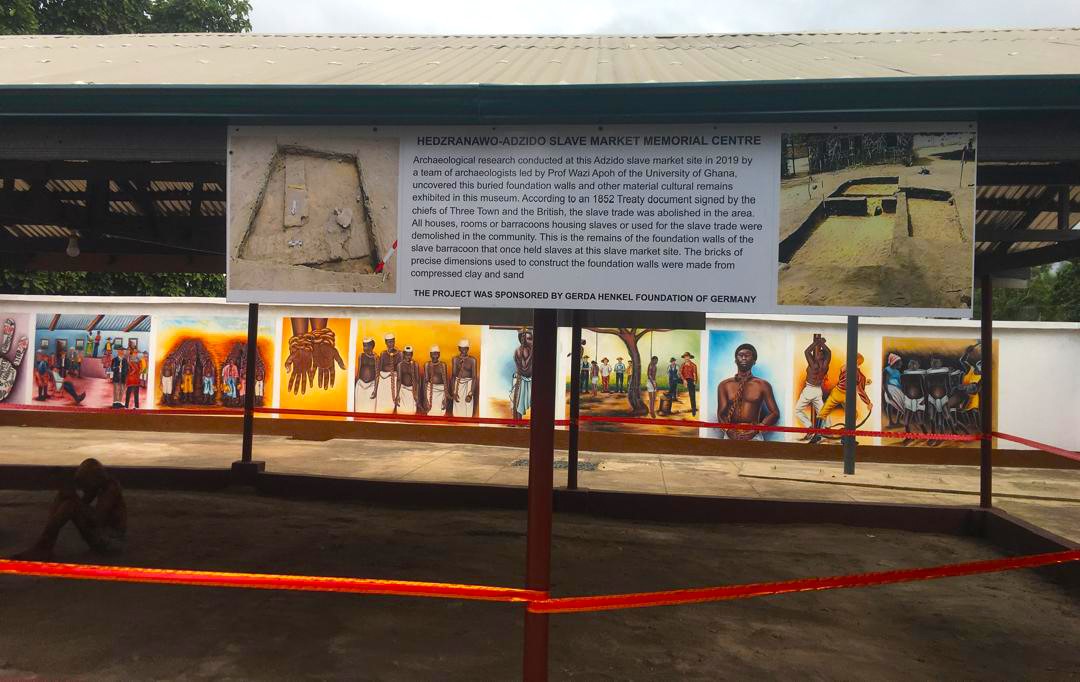
According to oral narratives, the buildings used for the trade were demolished at the Adzido area and the enslaved people were freed after the treaty (abolishing the trade in enslaved persons) was signed by the British and the chiefs of Three Towns (Denu, Adafienu, and Hedzranawo) in 1852. The memorial centre is housed in a rehabilitated structure donated by the local community.
The establishment of the museums form part of the wider Coastal Volta Enslaved Route Project (CVERP), initiated by Professor Wazi Apoh, which seeks to document, preserve, and promote the history of the transatlantic slave trade along Ghana’s Volta coastline.